
Identifying historical ecological baselines and understanding subsequent variability over appropriate timescales is vital for informing sustainable land-management and ecological restoration. The lower-Birrarung (Yarra River) billabongs, located in metropolitan Melbourne, are a series of lowland floodplain wetlands which have been culturally constructed and stewarded by Wurundjeri Woi Wurrung over millennia.
Patrick Kennedy’s PhD, in collaboration with ANSTO, AINSE, and the University of University of Melbourne, utilises sedimentary archives from these billabongs to reconstruct pre- and post-British Invasion ecosystem dynamics. Patrick is assessing how vegetation, hydrology, and fire regimes have responded to shifts in land management practices over time by analysing pollen, charcoal, grain size, and ITRAX XRF scanning data. The palaeoecological reconstruction supports Wurundjeri Woi Wurrung knowledge that Billabong Country was maintained and cared for before British Invasion. The research further identifies post-invasion shifts associated with grazing, clearing, flow regulation, and urbanisation.
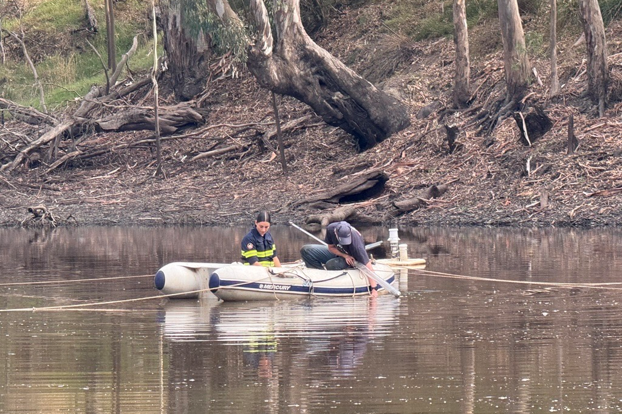
Co-designed with Wurundjeri Woi Wurrung Cultural Heritage Aboriginal Corporation (WWWCHAC) and Melbourne Water, the reconstructions provide culturally grounded narratives of historical ecological change and long-term Care for Country practices. By comparing pre- and post-Invasion ecological states in a culturally constructed floodplain system, this work demonstrates the value of billabong sediments for understanding colonial impacts on Country and informing Indigenous-led restoration, including ongoing WWWCHAC Narrap Care for Country initiatives.
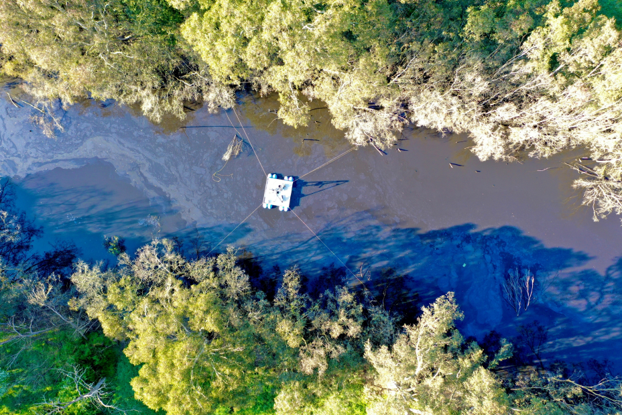
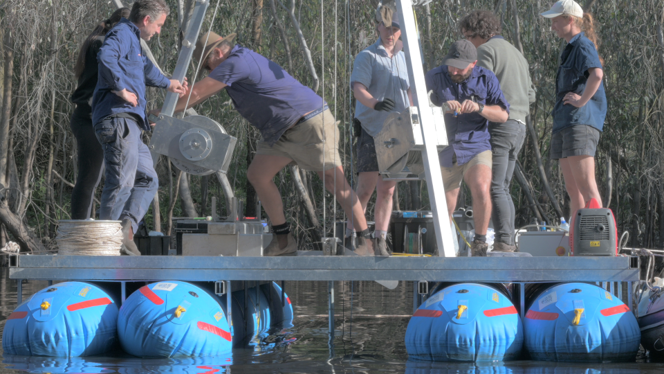
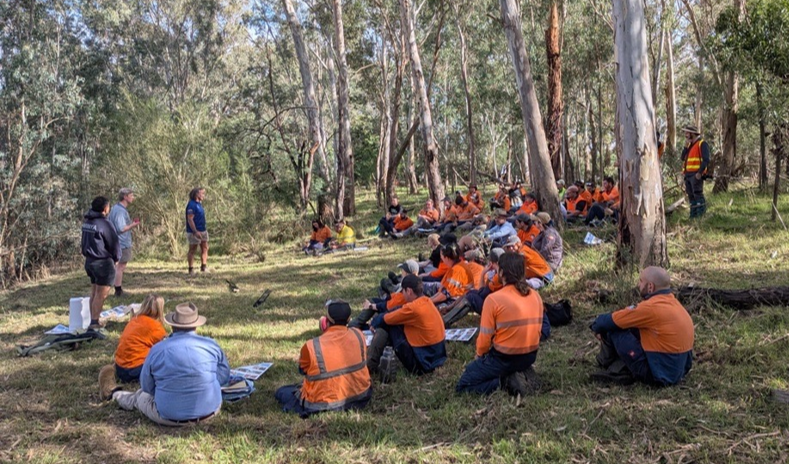
AINSE is proud to support Patrick as he completes his PhD, contributing important insights into the ecological history of the Birrarung and informing Indigenous-led restoration and Caring for Country. His research embodies what lies at the heart of scientific discovery: collaboration, knowledge sharing, and the integration of diverse ways of knowing.